
Unlock the Secret to Perfectly Coordinated Table Settings That Wow Your Guests!
A well-coordinated table setting is more than just a backdrop for a meal; it’s an essential part of creating a memorable dining experience. Whether you are hosting an intimate dinner party or a festive holiday gathering, the way you present your table can elevate the occasion and leave a lasting impression on your guests. The arrangement of colors, textures, and styles can speak volumes about your hospitality and attention to detail. In this article, we will explore the art of matching tableware to different occasions, providing you with practical guidance to help you craft the perfect table setting that reflects your personal style while accommodating your guests' needs.
Understanding the Basics of Tableware Coordination
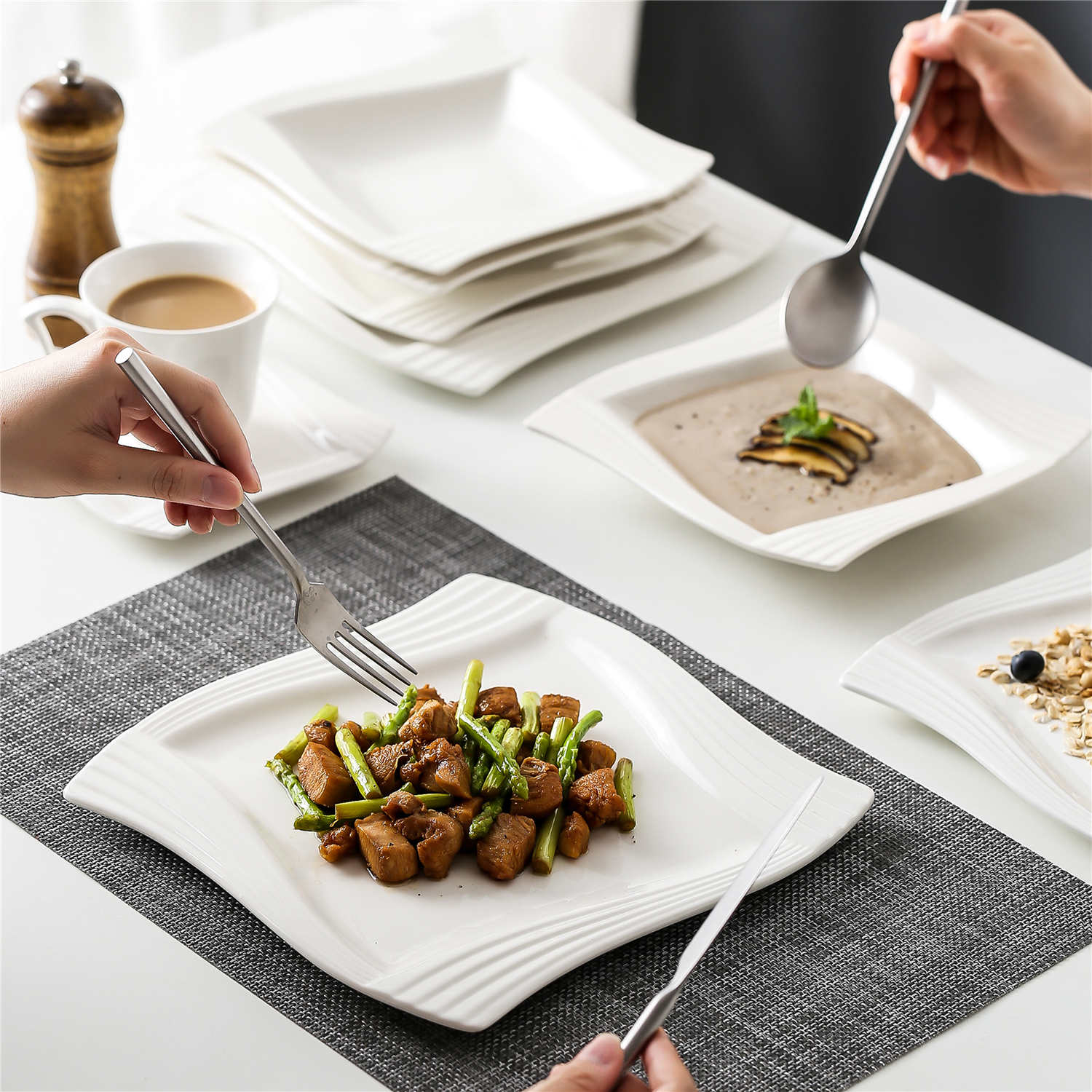
When it comes to coordinating dishes, several fundamental principles can guide your choices. First and foremost, consider the color palette. Harmonizing colors can create a cohesive look, whether you opt for complementary colors or create contrast for a more vibrant setting. Next, think about the style of your tableware. Mixing modern and vintage pieces can add character, but ensure they share a common element, such as color or material, to maintain balance. Texture plays a crucial role too; combining glossy plates with matte napkins or woven placemats can create visual interest and depth. Lastly, don’t forget about the shapes of your tableware. Varying shapes can add intrigue, but try to keep a consistent theme, whether it's round, square, or organic, to avoid chaos on the table.
Matching Dishes to Different Occasions
Choosing the right dishware for an occasion is essential. Each event calls for a unique approach to table setting. For formal occasions, such as weddings or galas, opt for elegant dinnerware that exudes sophistication. Classic white plates paired with gold or silver accents can create a refined atmosphere. For casual gatherings, like family dinners, consider colorful and fun dishware that encourages warmth and connection. Mixing patterns or using rustic-style dishes can enhance the relaxed vibe. When it comes to festive celebrations, such as holidays, let the theme guide your choices. Incorporating seasonal colors and motifs, such as autumn leaves for Thanksgiving or snowflakes for winter festivities, can make the meal feel special and festive.
Formal Occasions
For formal events, elegance is key. Choose fine china or porcelain that complements the occasion. Opt for a monochromatic color scheme with a pop of metallic accents, such as gold-rimmed glasses or silver cutlery, to add a touch of glamour. Use cloth napkins folded in intricate designs to enhance the upscale vibe. Consider the use of elegant centerpieces, like floral arrangements or candle displays, that resonate with the color scheme of your tableware.
Casual Gatherings
In a relaxed setting, the focus should be on comfort and conviviality. Utilize casual dishware that feels approachable, such as ceramic or stoneware. Mix and match different patterns and colors to create a playful atmosphere. Simple centerpieces, like fresh herbs in small pots or a bowl of seasonal fruit, can add a touch of charm without overwhelming the table. The goal is to create an inviting space where guests feel at ease to enjoy good food and great company.
Festive Celebrations
For holiday meals and celebrations, the theme often dictates the table setting. Embrace the spirit of the season with festive colors and decorations. For instance, red and green for Christmas or pastel colors for Easter can set the mood. Incorporate themed dishware that reflects the occasion, such as plates with holiday prints or special serving pieces that enhance the celebration. Don’t forget to add personal touches, like handmade place cards or decorative elements that resonate with your family traditions, to create a memorable experience.
Incorporating Textiles into Table Settings
Textiles are a fantastic way to complement your tableware and enhance the overall aesthetic. Linens, such as tablecloths and placemats, can anchor your table setting, providing a backdrop that ties all elements together. Choose fabrics that resonate with your theme—soft, flowing materials for formal settings or vibrant, playful fabrics for casual gatherings. Napkins offer another opportunity to add texture and color; consider folding them creatively or using napkin rings that match your tableware. Additionally, runners can add an elegant touch, drawing the eye along the table and providing a stylish path for the place settings.
Tips for Creating a Cohesive Look
To ensure all elements of your table setting complement each other, start by establishing a clear theme or color scheme. This will guide your selection of tableware, linens, and decor. Use a consistent pattern or color for plates, glasses, and utensils to create harmony. Mix textures and shapes thoughtfully to maintain visual interest without overwhelming the setting. Before finalizing your table arrangement, step back and view it from a distance to assess balance and cohesiveness. Don’t hesitate to get creative—sometimes the most unexpected combinations can lead to stunning results. And remember, the ultimate goal is to create a welcoming environment that encourages conversation and enjoyment.
Crafting Memorable Dining Experiences
In conclusion, the importance of matching dishes and tableware cannot be overstated. A beautiful table setting has the power to elevate any dining experience, making your guests feel special and appreciated. Whether you’re hosting a formal event, a casual gathering, or a festive celebration, taking the time to coordinate your tableware will pay off in creating a stunning and memorable atmosphere. So, don’t be afraid to experiment with different styles, colors, and themes for various occasions. Your dining table can be a canvas for your creativity, and with a little thought and planning, you can impress your guests and create cherished memories around the table.