
Unlock the World of Color: Discover the Secrets of Abstract Art!
Abstract art, a revolutionary form of expression, has captivated audiences and artists alike for over a century. Its significance in the art world is profound, as it challenges traditional notions of representation, encouraging viewers to engage with art on a deeper emotional and intellectual level. Within this expansive realm lies colored abstract art, a vibrant and dynamic interpretation that emphasizes color as a primary element of artistic expression. This article invites you to delve into the rich tapestry of colored abstract art, exploring its diverse styles, innovative techniques, and intriguing history, while uncovering how it has shaped contemporary art practices.
Understanding Abstract Art
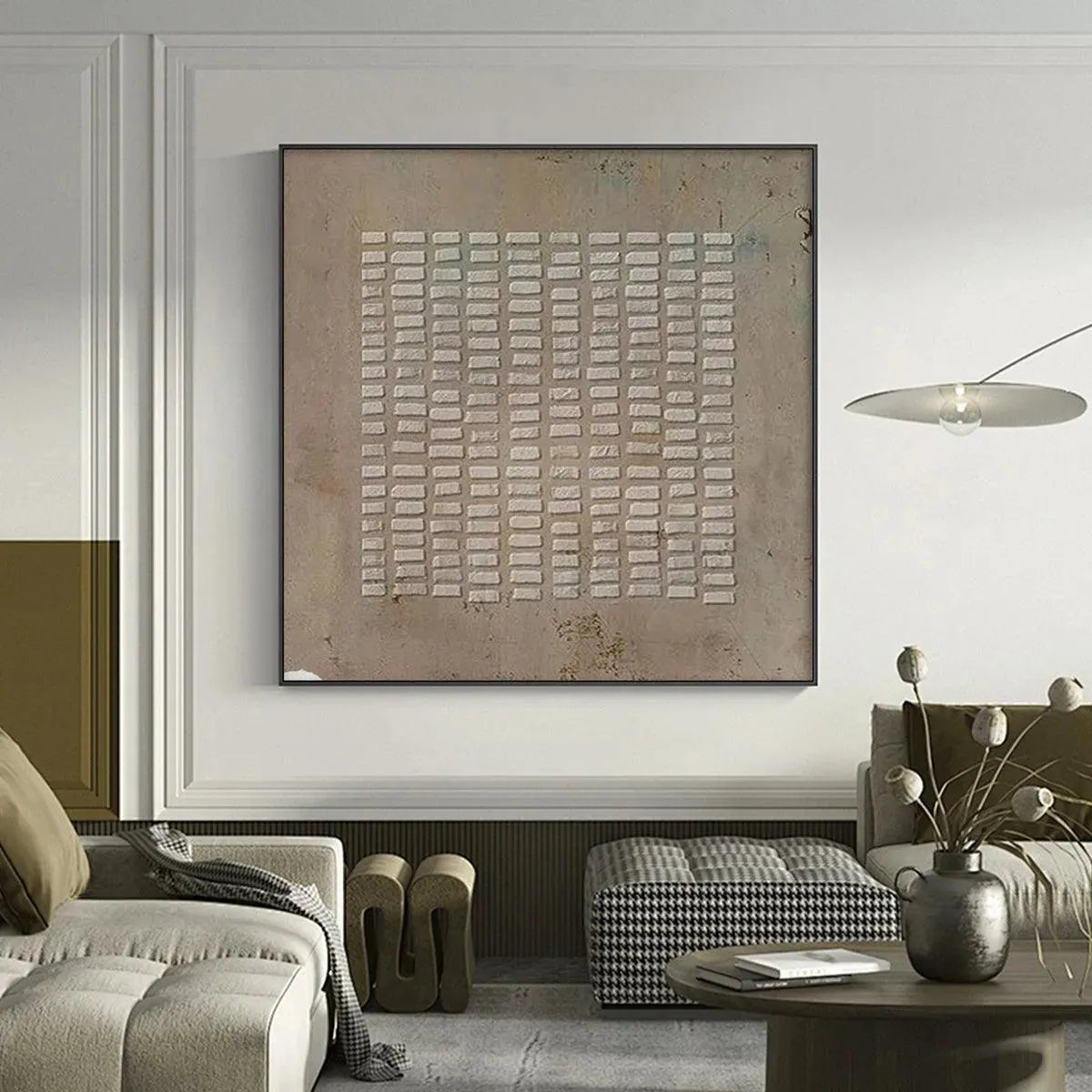
At its core, abstract art is defined by its departure from the conventional representation of physical objects. Unlike realism, where forms and figures are identifiable, abstract art takes a more conceptual approach. This form of art allows artists to express emotions, thoughts, and experiences without the constraints of the visible world. It liberates both the artist and the viewer, fostering a space where personal interpretation reigns supreme. Friends of mine who dabble in painting often share how creating abstract art feels like a journey into their subconscious, where colors and shapes emerge as reflections of their inner worlds. This emotional and conceptual freedom invites diverse interpretations, making abstract art a unique and compelling genre within the broader art landscape.
Styles of Colored Abstract Art
Colored abstract art is characterized by its vibrant hues and expressive forms, which can be categorized into several distinct styles. Each style brings its own unique characteristics and emotional resonance, allowing artists to convey their visions in myriad ways. Among the most notable styles are geometric abstraction, lyrical abstraction, and color field painting. Geometric abstraction relies on the use of shapes and forms, often incorporating bold colors and clean lines to create visually striking compositions. Lyrical abstraction, on the other hand, emphasizes spontaneous brushwork and fluid shapes, prioritizing emotional expression over strict structure. Color field painting involves the application of large swathes of color, inviting the viewer to experience the artwork on a more visceral level. Together, these styles illustrate the diverse approaches artists take when exploring the world of colored abstract art.
Geometric Abstraction
Geometric abstraction emerged in the early 20th century, influenced by movements such as Cubism and Suprematism. Key figures in this style include artists like Piet Mondrian and Kazimir Malevich, who utilized geometric forms as a means to explore abstraction. The typical techniques in geometric abstraction involve precise shapes, bold colors, and a focus on symmetry and balance. The clarity and order found within this style can evoke feelings of harmony and structure, making it appealing to many viewers. My friend, an art enthusiast, often comments on how geometric abstraction speaks to her analytical side, allowing her to appreciate the mathematical beauty in art.
Lyrical Abstraction
Lyrical abstraction arose as a response to the rigidity of geometric forms, emphasizing fluidity and emotion. This style is characterized by spontaneous brushstrokes, organic shapes, and vibrant color palettes. Artists such as Joan Mitchell and Helen Frankenthaler are renowned for their contributions to lyrical abstraction, using their canvases to express personal narratives and emotional depth. The techniques employed in this style often involve layering paint and experimenting with various tools to create texture and movement. A friend of mine who practices lyrical abstraction describes her painting process as a dance, where she lets her emotions guide her brush, leading to unpredictable and beautiful outcomes.
Color Field Painting
Color field painting, a significant movement within colored abstract art, focuses on the use of large expanses of color to evoke emotional responses. Artists like Mark Rothko and Barnett Newman pioneered this style, utilizing color as the sole subject of their works. The impact of color field painting lies in its ability to create immersive experiences for viewers, drawing them into the artwork's emotional core. Techniques in this style often involve the application of thin layers of paint, allowing colors to interact and resonate with one another. This creates a sense of depth and luminosity that can be profoundly affecting. A memorable gallery visit with friends, where we stood in front of a Rothko painting, illustrated this concept perfectly. We found ourselves enveloped in the colors, each of us feeling a different surge of emotions as we absorbed the artwork.
Techniques in Colored Abstract Art
The creation of colored abstract art is marked by a range of techniques that contribute to its unique visual language. Layering is a fundamental technique, where artists apply multiple layers of paint to build depth and complexity within their works. This method can enhance the vibrancy of colors and create intriguing contrasts. Texture application is another critical aspect, allowing artists to manipulate the surface of the canvas through techniques such as impasto or the use of mixed media. These techniques lend tactile qualities to the artwork, inviting viewers to engage not just visually but also physically. The use of mixed media, incorporating materials like fabric, paper, or found objects, further expands the possibilities in colored abstract art, providing artists with an expansive toolkit to explore their creative visions.
History of Colored Abstract Art
The history of colored abstract art can be traced back to the early 20th century, during a time of radical experimentation and innovation in the art world. Movements such as Fauvism, led by artists like Henri Matisse, emphasized bold colors and emotional expression, paving the way for later developments in abstract art. The 1940s and 1950s saw the rise of Abstract Expressionism, with artists like Jackson Pollock and Willem de Kooning exploring the interplay of color and form in their dynamic works. As the decades progressed, colored abstract art continued to evolve, giving rise to various styles and movements, including Color Field painting and Post-Painterly Abstraction. Today, colored abstract art remains a vital part of contemporary artistic practice, with artists continually pushing the boundaries of color and abstraction to reflect modern experiences and perspectives.
A Lasting Impact of Colored Abstract Art
In conclusion, colored abstract art stands as a testament to the power of color and abstraction in the artistic dialogue. Through its diverse styles and innovative techniques, this form of art invites us to experience emotions and concepts in ways that challenge our perceptions. As we have explored, the history of colored abstract art reveals a rich tapestry of creativity and expression that continues to evolve in contemporary practices. By embracing the freedom that colored abstract art offers, both artists and viewers can engage in a profound exploration of the human experience, making it a vital and relevant component of the art world today.