
Unlock the Secrets to Keeping Your Retractable Pergola Pristine and Perfect!
Retractable pergolas have become a popular choice for homeowners looking to enhance their outdoor spaces. These versatile structures not only provide shade but also allow for an open-air experience when the sun shines bright. However, to keep your pergola looking its best and functioning optimally, proper maintenance is essential. Just like any outdoor installation, exposure to the elements can lead to wear and tear. This article will guide you through effective maintenance tips that will help ensure your retractable pergola remains a stunning feature in your backyard for years to come.
Understanding Your Retractable Pergola
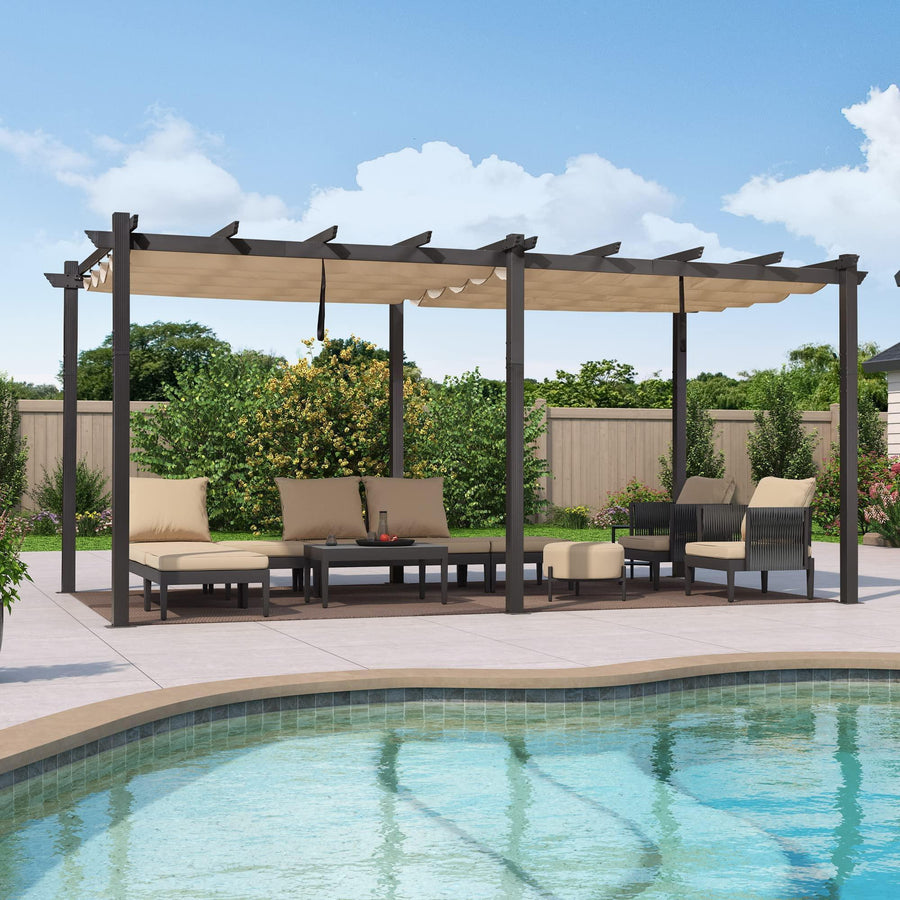
To maintain your retractable pergola effectively, it is crucial to understand its components and how they function. Typically, a retractable pergola consists of a frame made from durable materials like aluminum or steel, and a canopy which is often made from weather-resistant fabric. The frame provides structural support, while the retractable mechanism allows you to extend or retract the canopy based on your needs. Knowing how these parts work together helps you identify which areas may require more attention during maintenance. For instance, if you notice that the retractable mechanism is sticking, it might indicate that the tracks need lubrication, or if the fabric is sagging, it could require re-tensioning. Understanding these components can save you from potential repairs and prolong the life of your pergola.
Regular Cleaning Practices
Cleaning your retractable pergola regularly is one of the simplest yet most effective maintenance practices. Start by removing any loose debris like leaves or dirt using a soft brush or a leaf blower. For the fabric, use a mild soap mixed with water and a soft cloth to gently scrub away any stains or grime. It’s essential to avoid harsh chemicals that can damage the fabric. Once cleaned, rinse thoroughly with water and allow the fabric to dry completely before retracting it to prevent mold and mildew. The frame can be cleaned similarly; use a damp cloth to wipe down the surfaces and a gentle cleaner if needed. Regular cleaning not only keeps your pergola looking good but also prevents the buildup of dirt that can lead to wear.
Seasonal Maintenance Tips
Each season brings unique challenges for outdoor structures like retractable pergolas. As winter approaches, it's crucial to prepare your pergola for harsher weather. Before the first snowfall, retract the canopy and cover the frame with a weather-resistant cover to protect it from snow accumulation. In spring, conduct a thorough inspection for any damage that may have occurred during winter. Look for signs of wear or rust and address them promptly. After summer storms, check for any debris that may have settled on or around the pergola, and inspect the fabric for any tears. Having a seasonal maintenance checklist can help you keep track of necessary tasks, ensuring your pergola remains in excellent condition throughout the year.
Inspecting for Wear and Tear
Regular inspections for signs of wear and tear are crucial in maintaining your retractable pergola. Look for fraying fabric, which can indicate that the material is beginning to wear out. If you notice any threads coming loose, consider patching them up or replacing the fabric to prevent further deterioration. Additionally, inspect the metal components for rust or corrosion. If you find rust, it’s essential to treat it immediately to prevent it from spreading. A friend of mine once neglected this detail, and what started as a small rust spot turned into a significant problem that required a complete frame replacement. Regular inspections can save you from costly repairs and ensure your pergola stays in prime condition.
Protective Measures
Taking proactive protective measures can significantly extend the life of your retractable pergola. Utilizing a cover when the pergola is not in use can shield it from harsh weather conditions, UV rays, and debris. Additionally, consider applying fabric treatments that provide water and UV resistance, enhancing the durability of the canopy. For the frame, a yearly application of a protective sealant can help prevent rust and corrosion. Simple care tips like avoiding sharp objects near the fabric and ensuring it is not retracted when wet can also contribute to the longevity of your pergola. By implementing these protective measures, you can enjoy your outdoor space without worry.
Key Takeaways for Pergola Care
Maintaining a retractable pergola is essential for ensuring its longevity and functionality. By understanding its components, implementing regular cleaning practices, conducting seasonal maintenance, inspecting for wear and tear, and taking protective measures, you can keep your pergola looking pristine and working perfectly. Remember, a little effort in maintenance goes a long way in preserving the beauty and utility of your outdoor space. So, take these tips to heart and enjoy your retractable pergola for many years to come!