
Unlock the Secrets to Choosing the Ultimate Hair Extensions for Professionals!
Choosing the right hair extensions is a pivotal step for professionals looking to elevate their hairstyling game. Not only do high-quality extensions enhance the overall look, but they also play a crucial role in client satisfaction. As a stylist, I’ve witnessed firsthand how the right extensions can transform a client's appearance, boosting their confidence and leaving them with a lasting impression. Whether you're preparing for a special event, a photoshoot, or a simple day at the salon, selecting extensions that align with your professional standards can significantly impact the results. In this article, we will explore the essential aspects of hair extensions tailored for professional use, ensuring you make the best choices for your clients.
Understanding Hair Extensions: Types and Materials
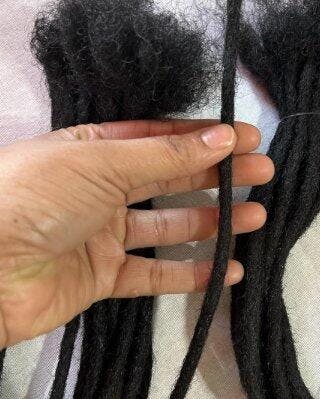
When it comes to hair extensions, understanding the different types and materials available is fundamental for professionals. The most common types include clip-ins, tape-ins, wefts, and fusion extensions, each offering unique advantages depending on the desired look and application method. Clip-in extensions are perfect for temporary styles and can be easily applied by clients themselves, making them a go-to for those who want flexibility. Tape-ins, on the other hand, provide a more semi-permanent solution and are favored for their seamless integration with natural hair.
Wefts are another popular option, often used for sew-in applications, giving a fuller and more voluminous look. Fusion extensions involve keratin bonds that are fused to the natural hair, offering a long-lasting solution but requiring a skilled application technique. Additionally, the choice of materials is equally important; synthetic hair can be a cost-effective option but often lacks the natural look and feel of human hair. Human hair extensions, while usually more expensive, offer versatility in styling and a more realistic appearance, making them the preferred choice for professionals.
Key Factors to Consider When Choosing Hair Extensions
As a stylist, knowing what to look for in hair extensions is crucial for delivering exceptional results. One of the primary factors is texture; the extensions should match the natural hair's texture to create a seamless blend. Whether your client has straight, wavy, or curly hair, selecting the right texture will ensure that the extensions look natural and beautiful.
Color matching is another vital consideration. Extensions should complement the client’s hair color for an effortless look. This might require custom blending or choosing extensions that offer a range of shades. Length and weight also play significant roles; longer extensions can create dramatic transformations, but they should not be too heavy for the client's natural hair to support, which could lead to damage over time.
Lastly, think about maintenance requirements. Some extensions need more upkeep than others, and discussing this with clients upfront can set the right expectations and help them maintain the extensions' appearance longer.
Evaluating Brands: What Makes a Brand Stand Out?
When it comes to hair extensions, not all brands are created equal. Evaluating brands based on specific criteria can help you identify the best options for professional use. Quality is paramount; look for brands that use high-grade human hair and have a reputation for durability and natural appearance. The sourcing of hair is also critical—extensions that use ethically sourced hair are increasingly popular among clients who value sustainability.
Reputation within the hairstyling community can also be a strong indicator of a brand's reliability. Look for reviews and testimonials from fellow professionals to gauge their experiences. Customer service is another significant factor; responsive brands that offer support and guidance can make a big difference, especially if you encounter issues with products.
Finally, consider the product range. Brands that offer a wide variety of colors, textures, and types of extensions allow you to cater to a diverse clientele, making it easier to find the perfect match for each individual.
Tips for Application and Maintenance of Hair Extensions
Applying hair extensions correctly is crucial for achieving a professional finish. Always ensure that the hair is clean and dry before application to prevent slipping or damage. For clip-ins, section the hair carefully and clip them in securely, starting from the bottom and working your way up. Tape-ins should be applied using the appropriate adhesive and should be pressed firmly to ensure they bond well with the natural hair.
Maintenance is equally important to ensure the longevity of the extensions. Advise clients to use sulfate-free shampoos and conditioners to prevent drying out the hair. Regular brushing with a soft-bristle brush can help prevent tangling, and it's best to avoid excessive heat styling to maintain the hair's integrity. Encouraging clients to schedule regular maintenance appointments will help keep their extensions looking fresh and beautiful.
Final Thoughts on Choosing Hair Extensions
In summary, selecting the right hair extensions for professional use involves understanding the various types and materials available, considering key factors such as texture, color, and maintenance, evaluating brands based on quality and reputation, and applying and maintaining the extensions properly. By making informed choices, you can enhance your hairstyling services and ensure your clients leave the salon with confidence and satisfaction. Remember, the right extensions can make all the difference in your work, so take the time to explore and invest in the best options available.